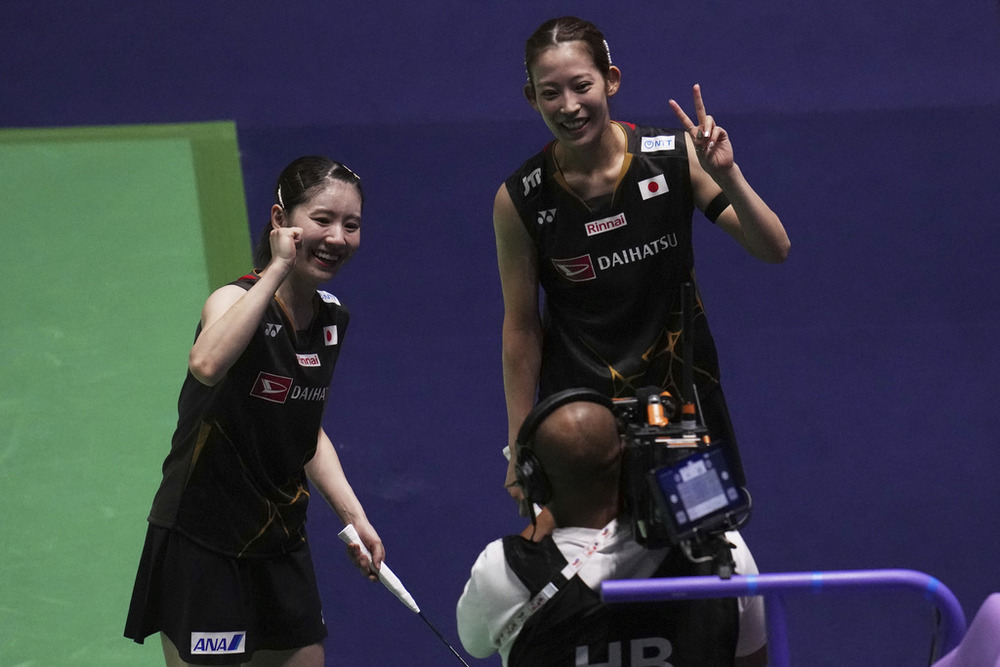

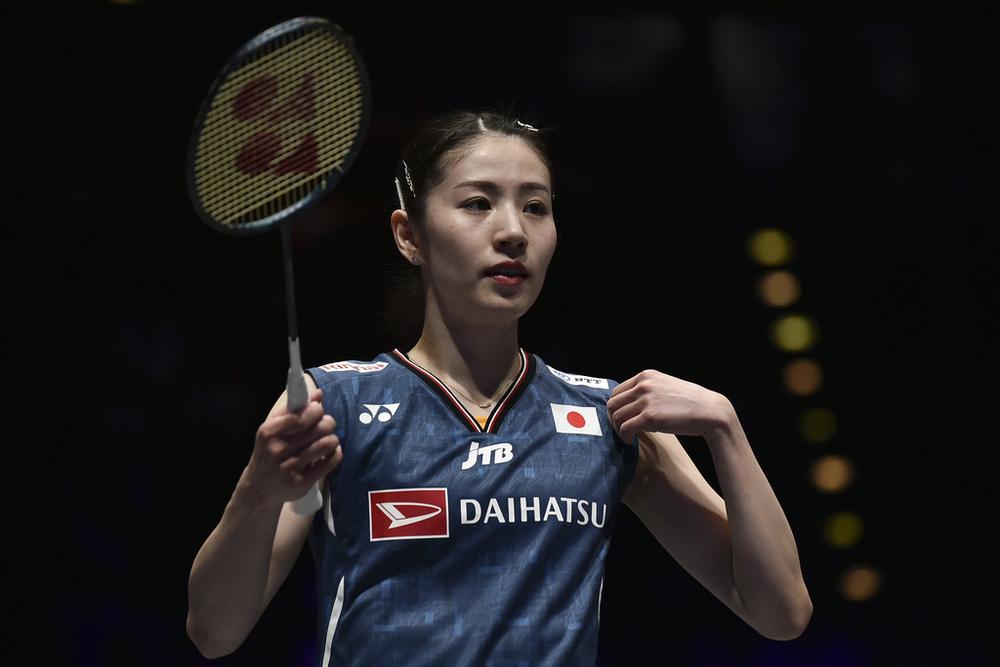
A sponsorship deal meant to secure her financial future has instead thrown Chiharu Shida into the middle of a nationalist storm. The Japanese women’s doubles standout has faced mounting criticism at home since signing with Chinese sportswear brand Li-Ning on April 1, 2026.
Chiharu Shida Li-Ning Deal Sparks Fierce Backlash
Japanese media and netizens reacted swiftly and harshly to the announcement. Some critics went as far as labeling Shida a traitor. Given that domestic sporting brands in Japan already face intense pressure from international competitors, conservative voices viewed her decision as a betrayal of national loyalty.
Consequently, Shida became a target of online harassment almost overnight. Meanwhile, the Nippon Badminton Association offered little public support, leaving her competitive future uncertain. Her world ranking has since tumbled from a career-high second place down to 14th, a slide that also cost her a spot at the Nagoya Asian Games.
For Shida, however, the Li-Ning partnership represents survival rather than betrayal. The deal provides crucial financial backing covering training expenses, competition gear and travel costs. Therefore, it allows her to keep pursuing her career despite losing support from Japan’s national team system.
Federation’s Response Deepens Shida’s Struggles
The Nippon Badminton Association didn’t stay quiet for long, though. It quickly cut off funding, revoked access to training facilities and stripped Shida of her competition eligibility. As a result, she became a fully self-funded athlete overnight, facing an even steeper uphill battle.
This situation highlights a broader tension facing professional athletes: sponsorship choices can carry consequences far beyond the paycheck, especially when governing bodies hold significant leverage over careers. A single decision, however financially necessary, can trigger serious fallout.
The federation’s approach also reflects its ongoing balancing act between nurturing young prospects and supporting established veterans, a challenge shaping the future direction of Japanese badminton. For now, Shida’s predicament illustrates just how much pressure athletes endure navigating this high-stakes landscape.