
The Cleveland Cavaliers spent this offseason answering the questions that lingered after a four-game sweep at the hands of the eventual champion New York Knicks in the Eastern Conference finals. Donovan Mitchell committed long-term with a four-year, $273 million extension, and James Harden followed with a three-year, $97 million deal to stay alongside him. On Wednesday night, the Cavaliers added a third piece to that plan.
Why the Cavaliers Wanted Peyton Watson
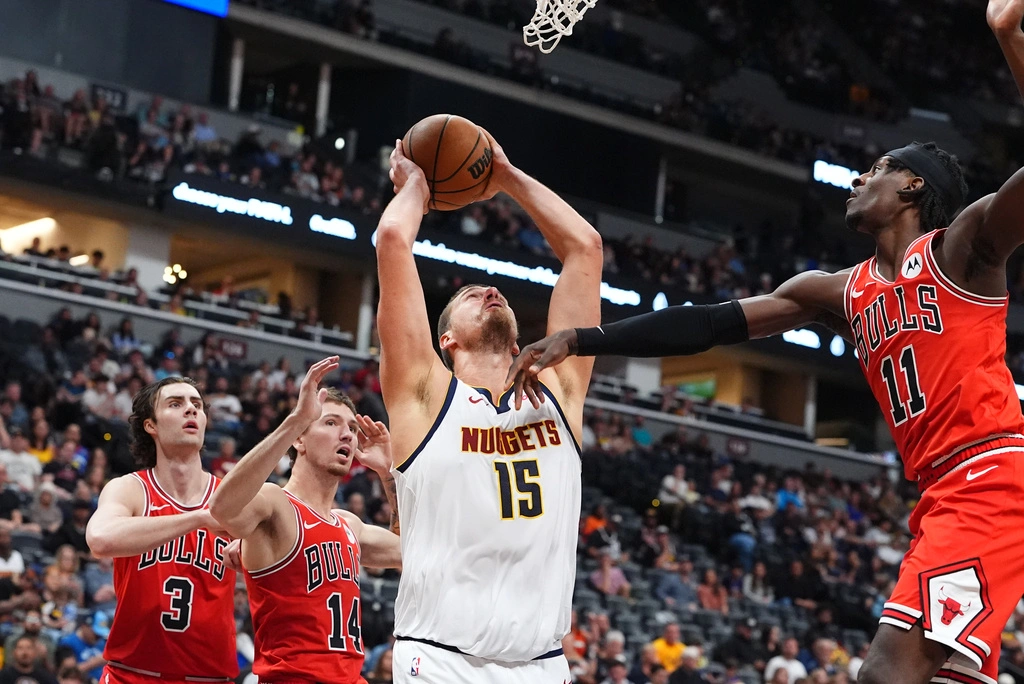
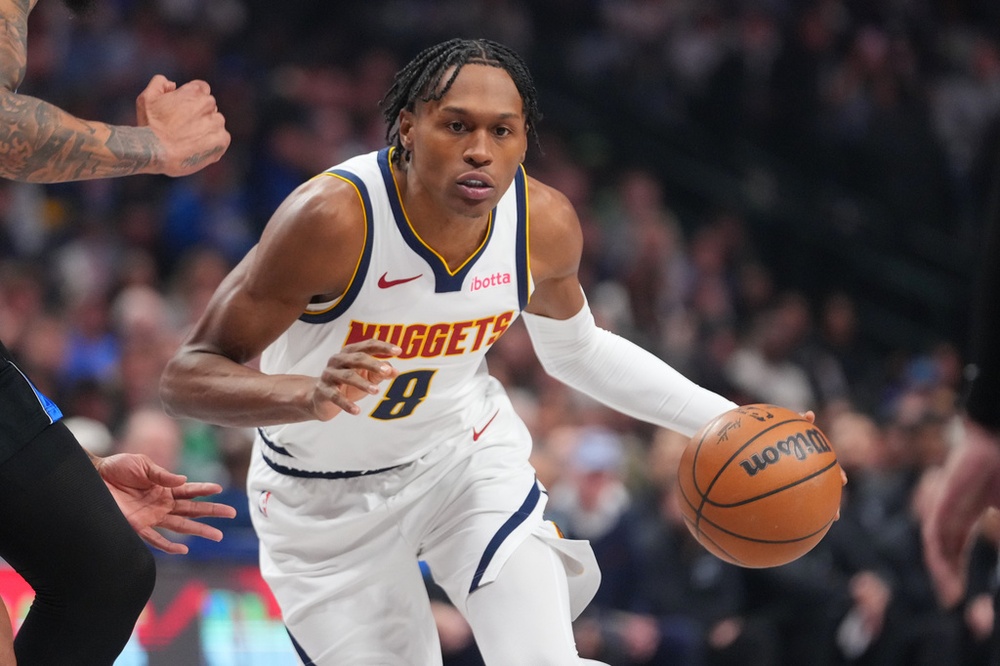
Cleveland acquired restricted free agent Peyton Watson through a sign-and-trade centered on the Nuggets and the Clippers. Denver received an unprotected 2031 first-round pick and a 2032 second-rounder, while Los Angeles took on veteran shooter Max Strus. Watson, meanwhile, signed a four-year, $88 million contract that includes a player option and a trade kicker, finally landing a payday after Denver passed on extending him last fall.
At 6-foot-8 with a 7-foot wingspan, Watson gives Kenny Atkinson a wing who graded among the league’s best defenders last season, ranking near the 99th percentile in positional versatility and matchup difficulty. Since the Cavaliers struggled to contain New York’s perimeter scorers throughout that series, and since Mitchell and Harden are limited defensively, Watson’s arrival directly targets the flaw that ended their season.
Can Peyton Watson Solve Cleveland’s Offense Too?
Offensively, the fit is less certain. Watson has improved his shooting each of the last three seasons, hitting 41% from three on close to four attempts a game, so he should space the floor comfortably next to Mitchell. However, his role in Denver rarely asked him to create for others, and Cleveland’s offense already leans heavily on Mitchell’s usage. Whether Watson can also serve as a secondary playmaker remains an open question.
Even so, the move signals that the Cavaliers refuse to stand pat while the Knicks, 76ers, Pacers and Heat continue reshaping their own rosters. Watson may not single-handedly close the gap, but he gives Cleveland its clearest answer yet to the problem that ended last season.